
 Image 1 of 4
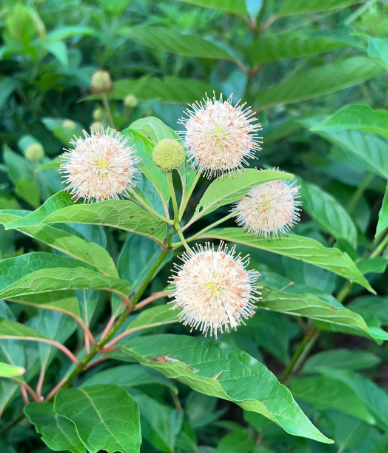 Image 2 of 4
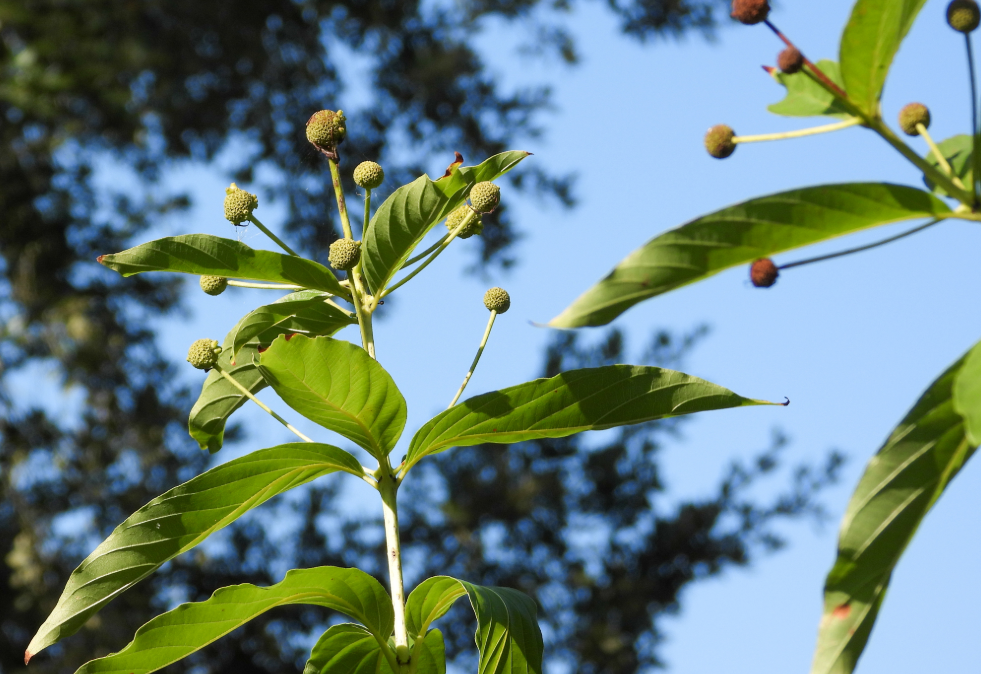 Image 3 of 4
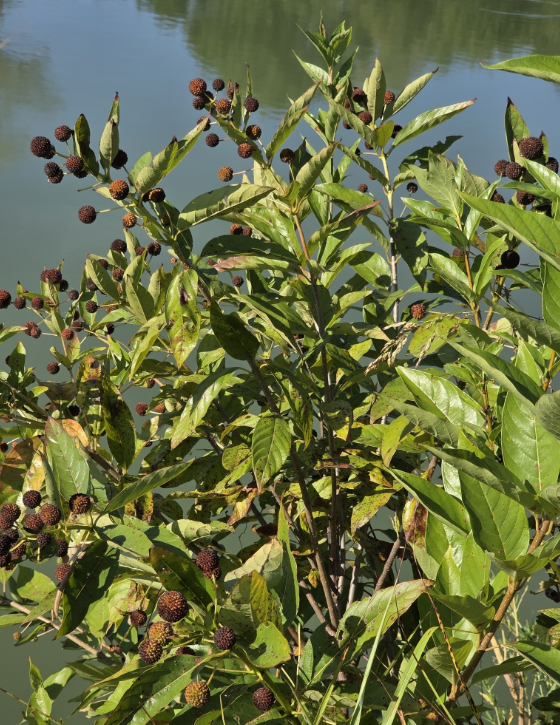 Image 4 of 4
Size: 18-24”
Common Buttonbush (Cephalanthus occidentalis)
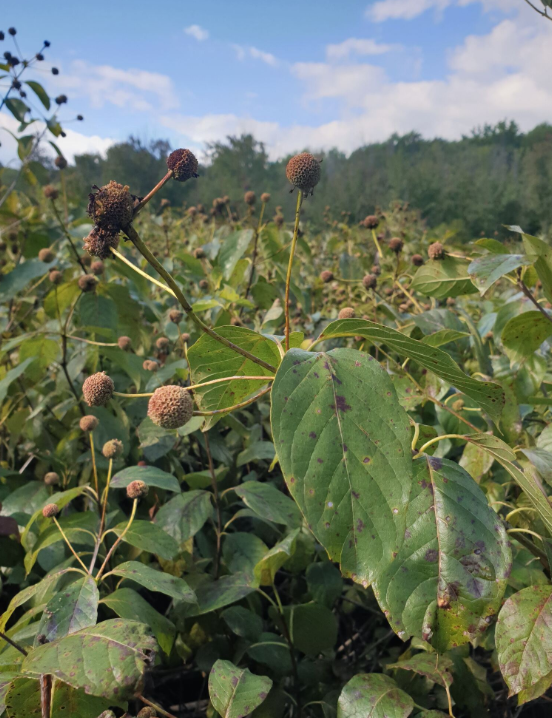
Buttonbush is a multi-stemmed shrub native to Michigan with pincushion-like clusters of fragrant white flowers bloom throughout the summer, offering nectar to pollinators, especially butterflies, moths, and bees. Seeds feed waterfowl, songbirds, and mammals during the winter. Naturally found along ponds, streams, and wetlands, it is an excellent choice for rain gardens, water gardens, and wetland plantings.
Requirements:
Light: Full sun (best for flowers) to partial shade
Soil: Moist to wet soils; tolerates standing water and flooding
Key Features:
Mature Size: Up to 12 feet tall × up to 8 feet wide
Bloom Period: Summer (June–September)
Wildlife Value: Nectar source for bees and butterflies; fruit eaten by birds and waterfowl
Plant Care:
Buttonbush thrives in consistently moist to wet soils and does not perform well in dry conditions. It is well suited for bogs, pond edges, rain gardens, and wetland restorations. Fragrant blooms support native pollinators, while persistent fruit provides winter food for wildlife.
———————————————————
*A mature height of less than 15 feet is recommended for trees planted near power lines. Tall growing trees should be planted a minimum of 20 feet away from power lines, and 50 feet away to avoid future pruning.
*This plant will be packaged as "bare root". Bare root plants have no soil around their roots. Bare root trees, shrubs, and perennials must be planted as soon as possible before growth begins. Find care and planting instructions here: https://www.arborday.org/trees/planting/bare-root.cfm
Item only available in bundles
Available through the Spring Tree Sale.
Pick up from Kardel Hall, Eaton Co. Fairgrounds
Friday, April 10, 2026 9AM to 6PM
Saturday, April 11, 2026 9AM to 11AM
Size: 18-24”
Common Buttonbush (Cephalanthus occidentalis)
Buttonbush is a multi-stemmed shrub native to Michigan with pincushion-like clusters of fragrant white flowers bloom throughout the summer, offering nectar to pollinators, especially butterflies, moths, and bees. Seeds feed waterfowl, songbirds, and mammals during the winter. Naturally found along ponds, streams, and wetlands, it is an excellent choice for rain gardens, water gardens, and wetland plantings.
Requirements:
Light: Full sun (best for flowers) to partial shade
Soil: Moist to wet soils; tolerates standing water and flooding
Key Features:
Mature Size: Up to 12 feet tall × up to 8 feet wide
Bloom Period: Summer (June–September)
Wildlife Value: Nectar source for bees and butterflies; fruit eaten by birds and waterfowl
Plant Care:
Buttonbush thrives in consistently moist to wet soils and does not perform well in dry conditions. It is well suited for bogs, pond edges, rain gardens, and wetland restorations. Fragrant blooms support native pollinators, while persistent fruit provides winter food for wildlife.
———————————————————
*A mature height of less than 15 feet is recommended for trees planted near power lines. Tall growing trees should be planted a minimum of 20 feet away from power lines, and 50 feet away to avoid future pruning.
*This plant will be packaged as "bare root". Bare root plants have no soil around their roots. Bare root trees, shrubs, and perennials must be planted as soon as possible before growth begins. Find care and planting instructions here: https://www.arborday.org/trees/planting/bare-root.cfm
Item only available in bundles
Available through the Spring Tree Sale.
Pick up from Kardel Hall, Eaton Co. Fairgrounds
Friday, April 10, 2026 9AM to 6PM
Saturday, April 11, 2026 9AM to 11AM