
 Image 1 of 5
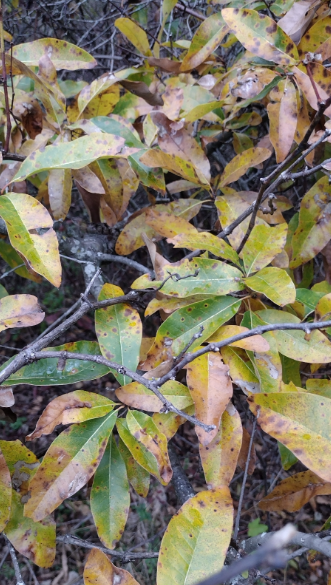 Image 2 of 5
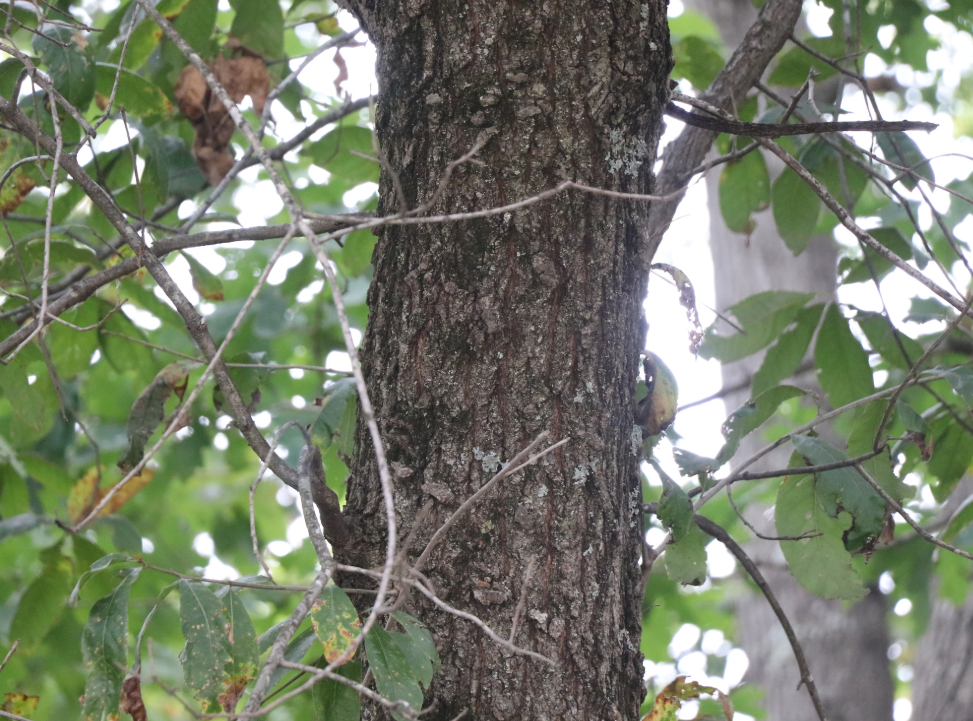 Image 3 of 5
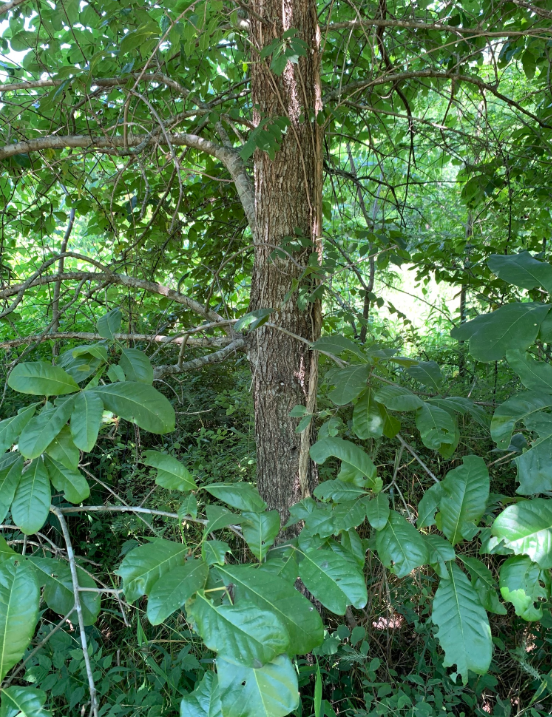 Image 4 of 5
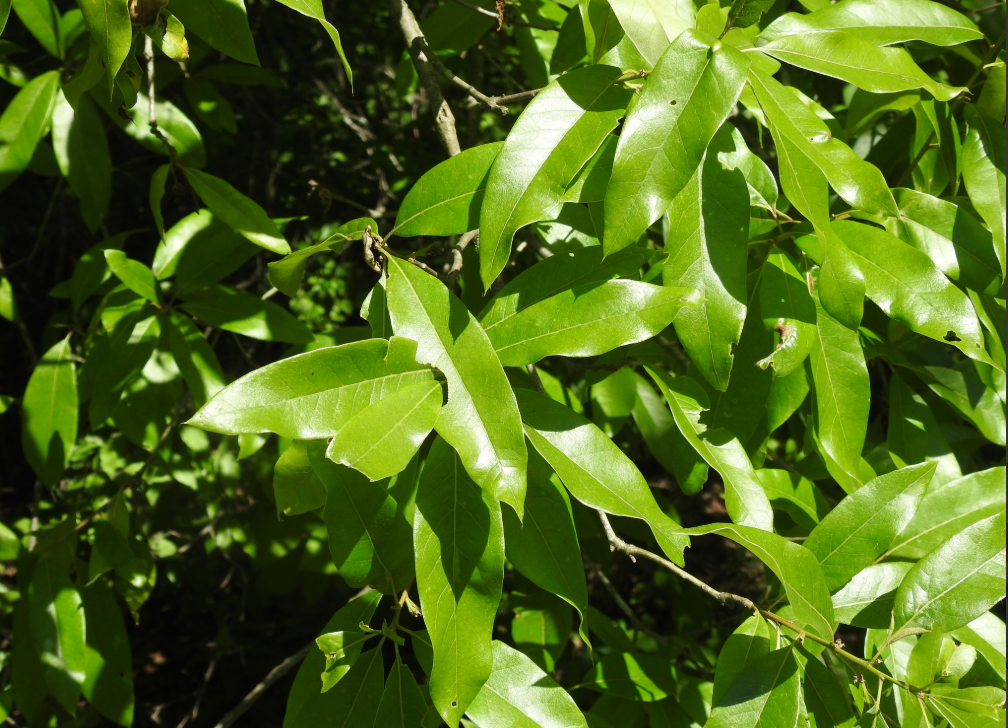 Image 5 of 5
Size: 12-18"
Shingle Oak (Quercus imbricaria)
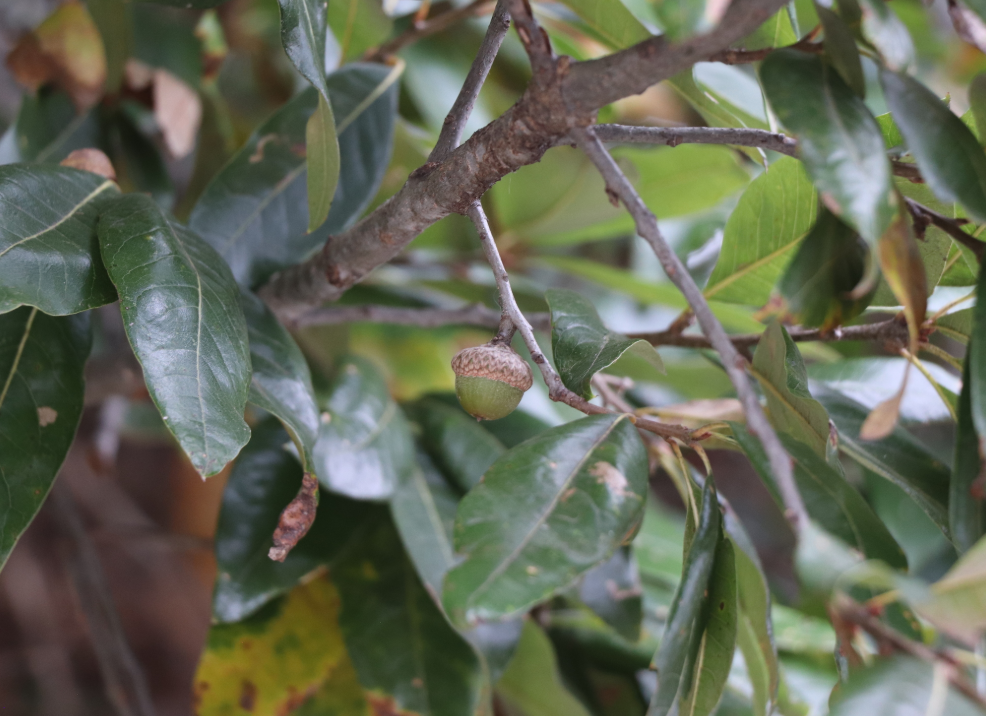
Shingle Oak is a common and valuable native species in Michigan. Unlike most oaks, it has smooth, unlobed, glossy leaves that resemble laurel leaves, making it easily mistaken for a different species. Its sturdy, rounded form and tolerance of a wide range of soils make it a valuable choice for parkways, large lawns, or parks. In fall, the leaves turn rich yellow-brown to red-brown, often remaining on the tree through winter. Its acorns provide important food for birds and small mammals, adding both beauty and ecological value to the landscape.
Requirements:
Light: Full sun to partial shade
Soil: Moist, well-drained soil; adaptable to clay, alkaline, or dry sites
Key Features:
Mature Size: 50–60 feet tall × 50–60 feet wide (do not plant under power lines)
Wildlife Value: Acorns feed birds, deer, and small mammals; supports pollinators and provides cover
Plant Care:
Shingle Oak is a slow-growing, low-maintenance tree that adapts well to city parkways and residential areas. It tolerates drought, wet conditions, salt, and black walnut toxicity. Prune only during dormancy to prevent oak wilt. Though it has a taproot, it transplants more easily than many other oaks.
*This plant will be packaged as "bare root". Bare root plants have no soil around their roots. Bare root trees, shrubs, and perennials must be planted as soon as possible before growth begins. Find care and planting instructions here: https://www.arborday.org/trees/planting/bare-root.cfm
Item only available in bundles
Available through the Spring Tree Sale.
Pick up from Kardel Hall, Eaton Co. Fairgrounds
Friday, April 10, 2026 9AM to 6PM
Saturday, April 11, 2026 9AM to 11AM
Size: 12-18"
Shingle Oak (Quercus imbricaria)
Shingle Oak is a common and valuable native species in Michigan. Unlike most oaks, it has smooth, unlobed, glossy leaves that resemble laurel leaves, making it easily mistaken for a different species. Its sturdy, rounded form and tolerance of a wide range of soils make it a valuable choice for parkways, large lawns, or parks. In fall, the leaves turn rich yellow-brown to red-brown, often remaining on the tree through winter. Its acorns provide important food for birds and small mammals, adding both beauty and ecological value to the landscape.
Requirements:
Light: Full sun to partial shade
Soil: Moist, well-drained soil; adaptable to clay, alkaline, or dry sites
Key Features:
Mature Size: 50–60 feet tall × 50–60 feet wide (do not plant under power lines)
Wildlife Value: Acorns feed birds, deer, and small mammals; supports pollinators and provides cover
Plant Care:
Shingle Oak is a slow-growing, low-maintenance tree that adapts well to city parkways and residential areas. It tolerates drought, wet conditions, salt, and black walnut toxicity. Prune only during dormancy to prevent oak wilt. Though it has a taproot, it transplants more easily than many other oaks.
*This plant will be packaged as "bare root". Bare root plants have no soil around their roots. Bare root trees, shrubs, and perennials must be planted as soon as possible before growth begins. Find care and planting instructions here: https://www.arborday.org/trees/planting/bare-root.cfm
Item only available in bundles
Available through the Spring Tree Sale.
Pick up from Kardel Hall, Eaton Co. Fairgrounds
Friday, April 10, 2026 9AM to 6PM
Saturday, April 11, 2026 9AM to 11AM